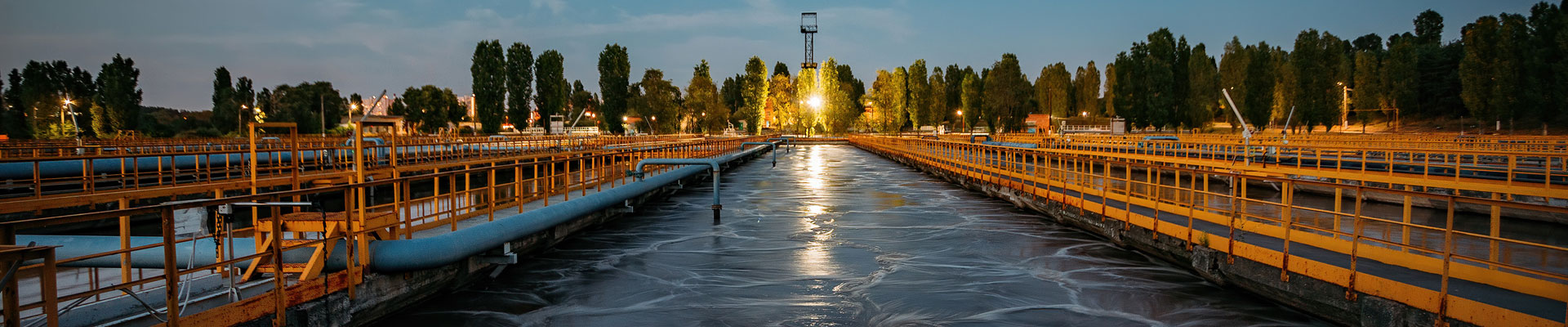
Fat, Oil, and Grease (FOG) Removal in Wastewater Treatment
FOG deposits are some of the most stubborn contaminants affecting wastewater systems nationwide. FOG are hydrophobic substances, often released from animal and agricultural sources.
These substances can enter wastewater streams from various applications, including food production and animal processing facilities. As they harden, FOG materials can create overflows, blockages, and bursts across different wastewater and sewer networks. That’s why it’s important to remove FOG in wastewater before these substances cause issues.
Consequences of Untreated FOG Discharge
Untreated FOG discharge can impact wastewater plants in several ways.
Sanitary Sewer Overflows (SSOs)
FOG is one of the major causes of SSOs. A research paper from North Carolina State University found that FOG deposits contribute to 25% of SSOs. As hot, greasy water enters the collection network, it cools down, solidifying on the pipe walls. When FOG combines with other contaminants, it undergoes saponification. Saponification turns the FOG into a hard, insoluble fatberg that is extremely difficult to break down.
Operational Downtime
If FOG reaches treatment plants, it can cause significant infrastructure damage. FOG can coat equipment within wastewater systems, leading to inaccurate readings and operational inefficiencies. There is also the risk of downtime associated with repairs and constant maintenance.
Aerobic Basins
Another consequence of untreated FOG discharges happens within aerobic basins. FOG can create floating layers in aerobic basins that inhibit oxygen transfer. This can turn basins into anaerobic zones, which can harm the aerobic bacteria essential for biological wastewater treatment.
Financial and Compliance Risks
Beyond affecting system functionality, FOG accumulation in wastewater systems has financial implications as facilities are faced with costly equipment and infrastructure repairs.
Common Methods for FOG Removal in Wastewater Treatment
There are several methods to remove FOG, including:
- Mechanical separation. One of the primary methods to remove FOG in wastewater is dissolved air flotation (DAF). During the DAF process, water gets saturated with air through pressurization. As this water enters the DAF tank, it forms multiple micro-bubbles that attach to the FOG particles and float them to the surface for easy skimming.
- Chemical separation. In this FOG removal method, an oxidizing agent, such as hydrogen peroxide (H2O2), enters the wastewater. The agent breaks down the emulsified oils, helping with flotation and separation.
- Coagulation. Coagulants are another chemical tool often used in high FOG-loading environments. Adding aluminum or iron salts to FOG wastewater neutralizes electrical charges on emulsified oil droplets. This process allows the oil to clump together, making it easier to separate by settling or flotation.
Developing a FOG Management Strategy
Robust FOG management doesn’t rely on a single strategy. It’s often a combination of methods designed specifically to fit a facility’s FOG loading capacity.
If your facility needs a customized FOG management strategy, USP Technologies can help. We have extensive experience leveraging advanced wastewater treatment techniques to help you optimize your operations. Contact us today to learn more about how we can support your facility and improve your systems.
Related Case Studies
A Gulf Coast Refinery was using hydrogen peroxide (H2O2) in 55-gallon drums at their WWTU Bio Unit to supply supplemental dissolved oxygen (D.O.) to maintain target D.O. levels in the aeration basins during high COD loading periods.
Learn More
A Gulf Coast Refinery was using hydrogen peroxide (H2O2) in 55-gallon drums at their WWTU Bio Unit to supply supplemental dissolved oxygen (D.O.) to maintain target D.O. levels in the aeration basins during high COD loading periods.
Learn More
A sugar processing facility was experiencing hydrogen sulfide (H2S) odor issues in their process water stabilization ponds due to anaerobic conditions.
Learn MoreUSP Technologies
5640 Cox Rd.
Glen Allen, VA 23060
Toll-free (800) 851-8527
Phone (804) 404-7696
USP - Canada
3020 Gore Road
London, Ontario N5V 4T7
Toll-free (800) 851-8527
Phone (804) 404-7696
Contact Us
Our sales engineers are ready to help you find the right solution. Fill out the form to connect with your local USP Technologies representative.
"*" indicates required fields