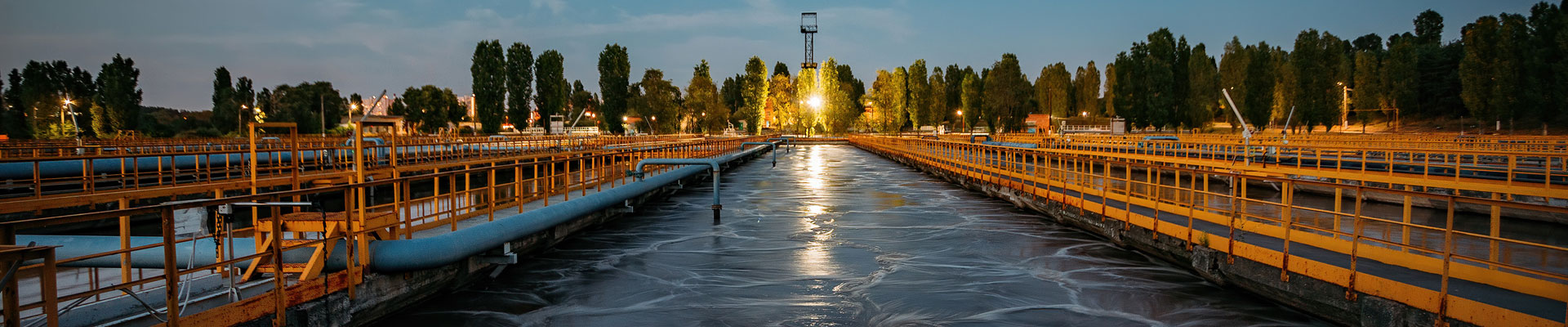
How to Reduce Biological Oxygen Demand (BOD) in Wastewater
BOD is a measure of the amount of oxygen that microorganisms need to break down organic matter in aerobic reactions. Water treatment plants use BOD to determine the level of pollution in wastewater. Lowering this measurement is essential to protect the health of receiving water bodies and stay compliant with regulations.
Why BOD Is a Critical Plant Performance Indicator
BOD levels signal your ability to effectively remove organic matter from wastewater. The amount of contaminants in the water is directly proportional to the level of BOD. The lower the BOD levels in wastewater, the less contaminated the water is.
Understanding the BOD measurement of wastewater before and after treatment can help determine a treatment system’s effectiveness. For example, the BOD five-day test (BOD5) is conducted at 20° Celsius in a dark incubator to limit algae photosynthesis. If algae photosynthesis is present, it can increase the amount of dissolved oxygen, affecting accuracy.
There are also various federal, state, and local recommended guidelines to stay compliant. For example, the U.S. requires that the seven-day average of BOD5 by secondary treatment should not exceed 45mg/L.
How Do You Lower BOD in Primary Wastewater Treatment?
There are several options to reduce BOD in wastewater across the different treatment stages:
- Filtering solids: Total suspended solids (TSS) increase the digestible matter available for bacteria, impacting BOD in wastewater streams. In the early stages of treatment, you can use mechanical processes to reduce the TSS in the water. This can involve sieves or strainers to filter the solids from the water, reducing the aerobic bacteria.
- Adding coagulant: Coagulation will bind together the TSS that were too small to filter out. Since most suspended solids carry a negative charge, adding a coagulant such as ferric chloride or other iron salts will neutralize the charge and help form a pin floc.
- Adding flocculant: Pin floc may not be heavy enough to settle at the bottom of the water. Flocculation can increase the floc’s size and weight. Mixing in a flocculant will create larger and heavier flocs that you can separate from the water through sedimentation or another round of filtration.
Optimize BOD Removal in Secondary Biological Treatment
The biological treatment phase involves improving conditions for aerobic microorganisms to do their work. For example, increasing the dissolved oxygen in the activated sludge process can help you improve operation during shock organic loads or hot weather.
One way to increase dissolved oxygen levels is by adding hydrogen peroxide (H2O2). Enzymes produced by the aerobic bacteria quickly break H2O2 down into water and oxygen, which increases the oxygen available.
Choosing a BOD Reduction Strategy
Take the first step toward protecting your facility with a customized BOD reduction strategy. Contact us today to learn more about how we can support your goals.
Related Case Studies
A Gulf Coast Refinery was using hydrogen peroxide (H2O2) in 55-gallon drums at their WWTU Bio Unit to supply supplemental dissolved oxygen (D.O.) to maintain target D.O. levels in the aeration basins during high COD loading periods.
Learn More
A Gulf Coast Refinery was using hydrogen peroxide (H2O2) in 55-gallon drums at their WWTU Bio Unit to supply supplemental dissolved oxygen (D.O.) to maintain target D.O. levels in the aeration basins during high COD loading periods.
Learn More
A sugar processing facility was experiencing hydrogen sulfide (H2S) odor issues in their process water stabilization ponds due to anaerobic conditions.
Learn MoreUSP Technologies
5640 Cox Rd.
Glen Allen, VA 23060
Toll-free (800) 851-8527
Phone (804) 404-7696
USP - Canada
3020 Gore Road
London, Ontario N5V 4T7
Toll-free (800) 851-8527
Phone (804) 404-7696
Contact Us
Our sales engineers are ready to help you find the right solution. Fill out the form to connect with your local USP Technologies representative.
"*" indicates required fields