
What is Supplemental Dissolved Oxygen?
What is Supplemental Dissolved Oxygen?
Dissolved oxygen (DO) is the amount of free oxygen present in water, an important measure of water quality. Aquatic plants and animals need oxygen to survive, but oxygen levels can decrease when microorganisms decompose excess organic materials.
Hydrogen peroxide (H2O2) is widely used to boost dissolved oxygen in activated sludge and other biological treatment systems. USP Technologies (USP) leads the way in safely and effectively applying hydrogen peroxide for wastewater treatment. For over 25 years, USP has helped facilities like oil refineries, meat and poultry processing plants, petrochemical plants, and paper mills across North America treat wastewater.
To learn more about what we offer or how we can support your facility, contact our team to connect with one of our experts.
Dissolved Oxygen in Wastewater
Dissolved oxygen in water supports aerobic bacteria for organic matter breakdown, preventing odors and harmful byproducts. When it comes to wastewater treatment, optimal DO levels typically fall between 2-3 mg/L in aerobic processes. In secondary treatment, aerobic bacteria need sufficient oxygen to function properly and to break down organic matter in the wastewater.
Low dissolved oxygen wastewater can cause inefficient treatment and poor water quality. DO levels near 0 mg/L, also known as “dead zones,” may become entirely devoid of life and oxygen. Alternatively, excessively high DO levels can lead to energy inefficiency and equipment wear.
How Do Supplemental Dissolved Oxygen Systems Work?
Supplemental DO systems work by introducing pure oxygen or chemical oxidants like hydrogen peroxide into water to boost aerobic activity and manage high organic loads, eliminate odors and support aquatic life.
Oxygen Transfer Efficiency and Energy Consumption
Traditional aeration methods like diffused aeration, which uses blowers and diffusers, and surface aerators, or agitating water surfaces, transfer oxygen from ambient air into water. Sometimes, especially when conditions change and cause higher BOD/COD loadings or in higher temperature conditions, it can be difficult to maintain consistent DO levels with traditional aeration methods alone. Additionally, supplemental DO delivers the concentrated oxygen directly to the wastewater stream, improving energy efficiency and oxygen transfer rates.
Flexibility and Responsiveness
Supplemental DO offers more system flexibility and responsiveness, as operators can adjust the oxygen delivery in real time to combat sudden spikes in organic loading, equipment failures, or other unexpected condition changes. This is crucial for maintaining process stability and compliance in the face of unexpected operational challenges or seasonal variations.
Footprint and Biological Impact
Advanced supplemental DO systems usually require a smaller physical footprint, allowing those facilities with limited space or those who want to expand capacity to meet their DO needs without extensive construction.
Supplemental systems can also achieve more precise, consistent DO levels, enhancing the efficiency of aerobic microorganisms and leading to better biological nutrient removal and better sludge management.
How Does Supplemental DO Technology Work?
Supplemental dissolved oxygen technology operates by effectively introducing concentrated oxygen into the wastewater stream — often through the introduction of hydrogen peroxide (H2O2). H202 rapidly decomposes into oxygen and water within the aeration basin. This allows it to release pure oxygen directly where it’s needed most by aerobic bacteria.
This chemical reaction provides a fast-acting and potent boost to dissolved oxygen levels. The key is delivering a high concentration of oxygen for optimal microbial activity and pollutant breakdown. This targeted delivery ensures that oxygen is available even under challenging conditions, allowing for a faster and more effective response to changing treatment demands.
Advantages of Using Supplemental Dissolved Oxygen
Using dissolved oxygen for wastewater can make the water treatment process more efficient. When aerobic microorganisms have the proper amount of dissolved oxygen, they successfully turn organic wastes into less harmful byproducts. Adding the precise DO dose can successfully reduce the chemical oxygen demand (COD) in wastewater. COD refers to the amount of oxygen necessary to chemically oxidize a wastewater sample’s organic and inorganic matter.
Benefits of DO include:
- Improving your biological oxygen demand (BOD) and COD reduction for cleaner effluent.
- Enhancing the nitrification and denitrification for nitrogen removal.
- Effectively controlling odor and preventing pollution for community relations.
- Preventing sludge bulking for efficient handling of solids.
- Complying with discharge permits for regulatory peace of mind.
When Is Supplemental DO the Right Solution?
Supplemental DO is used by bacteria to consume oxygen to break down pollutants in wastewater treatment plants. Consider DO when you experience the following:
- Unexpected increases in BOD/COD loading: Quickly address sudden spikes in organic waste.
- Mechanical aeration failures: Provide a dependable backup system to maintain treatment.
- High influent temperatures: Compensate for reduced oxygen transfer efficiency in warm water.
- Other challenging situations: Seasonal variations in wastewater composition, unexpected industrial discharges, and unforeseen process upsets.
Hydrogen Peroxide Delivers Effective Supplemental DO
Hydrogen peroxide is versatile and has many applications. It is a natural metabolite of many organisms and can treat pollutants that are easy and difficult to oxidize, from iron to pesticides. In the aeration basin mixture of activated sludge and water, H2O2 rapidly adds DO to the system according to the following reaction:
| 2H2O2 → O2 + 2H2O |
This simple chemical reaction rapidly decomposes into oxygen and water. You will usually see higher DO levels within a few hours of starting hydrogen peroxide treatment. This method is especially useful when your plant encounters unexpected increases in BOD/COD loading, experiences mechanical aeration failures, or faces high influent temperatures that reduce oxygen transfer efficiency. Once conditions stabilize, you can easily stop the hydrogen peroxide feed with a simple command.
Key advantages of H2O2 for wastewater treatment:
- Simple method: This treatment method is easy to implement and control for operational simplicity.
- Fast results: Rapidly dissolved oxygen increases levels quickly for immediate results.
- Environmentally friendly: H202 breaks down into water and oxygen, providing the proper level of DO.
- Dependable solution: This dependable and easily implemented backup system gives our customers peace of mind.
Based on the type of contaminant, its concentration, and the wastewater volume, use our H2O2 calculator to determine your hydrogen peroxide requirements. USP Technologies can help fine-tune your estimate and propose holistic solutions.
Dissolved Oxygen Solutions by USP Technologies
USP offers comprehensive dissolved oxygen solutions for a variety of wastewater treatment facilities. We have industry-leading expertise in hydrogen peroxide applications, and our solutions deliver precise hydrogen peroxide doses for optimal control of dissolved oxygen levels.
Our experienced team of engineers and field service personnel develops customized solutions for our customers across a diverse range of industries and applications. Plus, when you choose USP Technologies, you get hands-on support and dedicated expertise. Our team will perform equipment installation and maintenance services and help provide performance tracking systems that allow for remote monitoring and control.
Find the Right Solution Today
Effectively boost dissolved oxygen in activated sludge with hydrogen peroxide, supporting aerobic bacteria for organic matter breakdown and reducing chemical oxygen demand in wastewater. See what USP Technologies can do for your wastewater treatment when you get in touch today.
Additional resources: Supplemental Dissolved Oxygen
Featured Product

Hydrogen Peroxide
Cost savings and treatment enhancement compared to traditional solutions for hydrogen sulfide control, solids separation and phosphorus removal in collection systems and wastewater treatment plants.
Related Case Studies
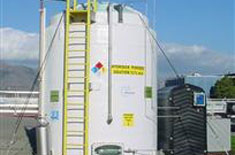
A Gulf Coast Refinery was using hydrogen peroxide (H2O2) in 55-gallon drums at their WWTU Bio Unit to supply supplemental dissolved oxygen (D.O.) to maintain target D.O. levels in the aeration basins during high COD loading periods.
Learn MoreUSP Technologies
5640 Cox Rd.
Glen Allen, VA 23060
Toll-free (800) 851-8527
Phone (804) 404-7696
USP - Canada
3020 Gore Road
London, Ontario N5V 4T7
Toll-free (800) 851-8527
Phone (804) 404-7696
Contact Us
Our sales engineers are ready to help you find the right solution. Fill out the form to connect with your local USP Technologies representative.
"*" indicates required fields