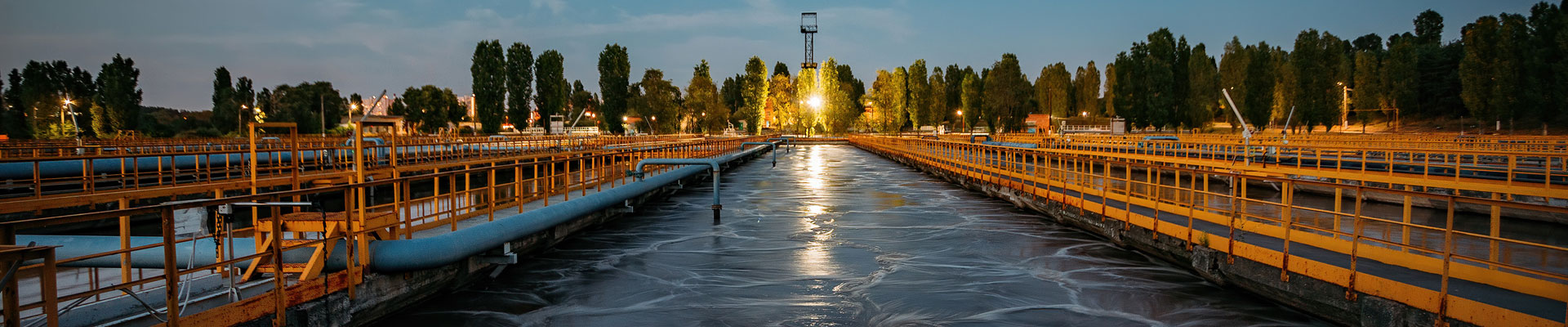
Reducing Chemical Oxygen Demand (COD) in Wastewater
COD is the amount of oxygen that oxidizing agents require to break down organic matter in water. It encompasses both biodegradable and nonbiodegradable materials, including recalcitrant substances such as pesticides, plastics, and industrial dyes. Reducing COD levels is critical to protecting your facility’s bottom line and ensuring energy efficiency while also protecting aquatic ecosystems.
Understanding High COD Wastewater Challenges
High COD levels in a wastewater stream can indicate an overload or a recalcitrant problem. Does the increase in COD levels correlate with a spike in organic overload? Or does it seem to remain high even with normal loads? Using the COD results and influent loads can help determine an appropriate corrective solution for a given plant.
Because a COD test takes only a few hours, it is a valuable tool for achieving near-real-time operational control.
How to Treat High COD
There are two common reasons for high COD levels, and each calls for different treatment options.
Acute Organic Overloads
One of the best ways to handle sudden spikes in influent organic loads is to increase oxygen levels to prevent system failure. Adding a chemical compound such as H2O2 can increase the dissolved oxygen available in the water, providing the support the biomass needs to process the overload in the treatment system.
Recalcitrant Compounds
More resistant organic matter requires AOPs designed to separate stubborn pollutants. AOPs use energy and oxidants to generate reactive hydroxyl radicals, which attach to and break down complex organic molecules that are resistant to biological treatment.
AOPs, such as the Fenton’s reagent process, can break down nonbiodegradable compounds in high-COD wastewater into simpler biodegradable substances and even convert them into carbon dioxide (CO2) and water.
Benefits of Proactive COD Control
Proactive COD control can provide several benefits to your plant:
- Preventing upstream system corrosion: High organic discharge can cause septic conditions in sewer systems, forming hydrogen sulfide upstream. Proactive COD management at the source can help you prevent this gas, limiting the chances of corrosion in collection systems.
- Ensuring compliance with COD discharge limits: Whether you’re struggling with acute overloads or recalcitrant compounds, a chemical oxidation process can help you meet COD discharge limits for wastewater streams.
Developing a COD Management Plan
Creating an effective COD management plan begins with an accurate diagnosis. Understanding the source will help you determine the best way to reduce COD in wastewater. At USP Technologies, we can help you find the cause of high COD and develop an effective management plan. Contact us today to speak to one of our expert team members.
Related Case Studies
A Gulf Coast Refinery was using hydrogen peroxide (H2O2) in 55-gallon drums at their WWTU Bio Unit to supply supplemental dissolved oxygen (D.O.) to maintain target D.O. levels in the aeration basins during high COD loading periods.
Learn More
A Gulf Coast Refinery was using hydrogen peroxide (H2O2) in 55-gallon drums at their WWTU Bio Unit to supply supplemental dissolved oxygen (D.O.) to maintain target D.O. levels in the aeration basins during high COD loading periods.
Learn More
A sugar processing facility was experiencing hydrogen sulfide (H2S) odor issues in their process water stabilization ponds due to anaerobic conditions.
Learn MoreUSP Technologies
5640 Cox Rd.
Glen Allen, VA 23060
Toll-free (800) 851-8527
Phone (804) 404-7696
USP - Canada
3020 Gore Road
London, Ontario N5V 4T7
Toll-free (800) 851-8527
Phone (804) 404-7696
Contact Us
Our sales engineers are ready to help you find the right solution. Fill out the form to connect with your local USP Technologies representative.
"*" indicates required fields